


(Minghui.org) The “Silent Cry” International Poster Exhibition was held at the Sakai City Cultural Hall in Osaka, Japan, from October 23 to October 25, 2026.
Hosted by the SMG (Stop Medical Genocide—Society for the Study of Organ Transplantation in China) Network, the exhibition featured winning entries from an international poster contest exposing the Chinese Communist Party’s (CCP) atrocities of forced organ harvesting of prisoners of conscience. The contest was organized by non-governmental organizations from Japan, South Korea, and Taiwan.
The posters expose the long-standing crimes of forced organ harvesting from living individuals, including Falun Gong practitioners, and other faith groups and ethnic minorities who are persecuted by the CCP. Several Japanese lawmakers attended the exhibition to express their support. Visitors called on all sectors of society to work together to put an end to the CCP’s human rights abuses.
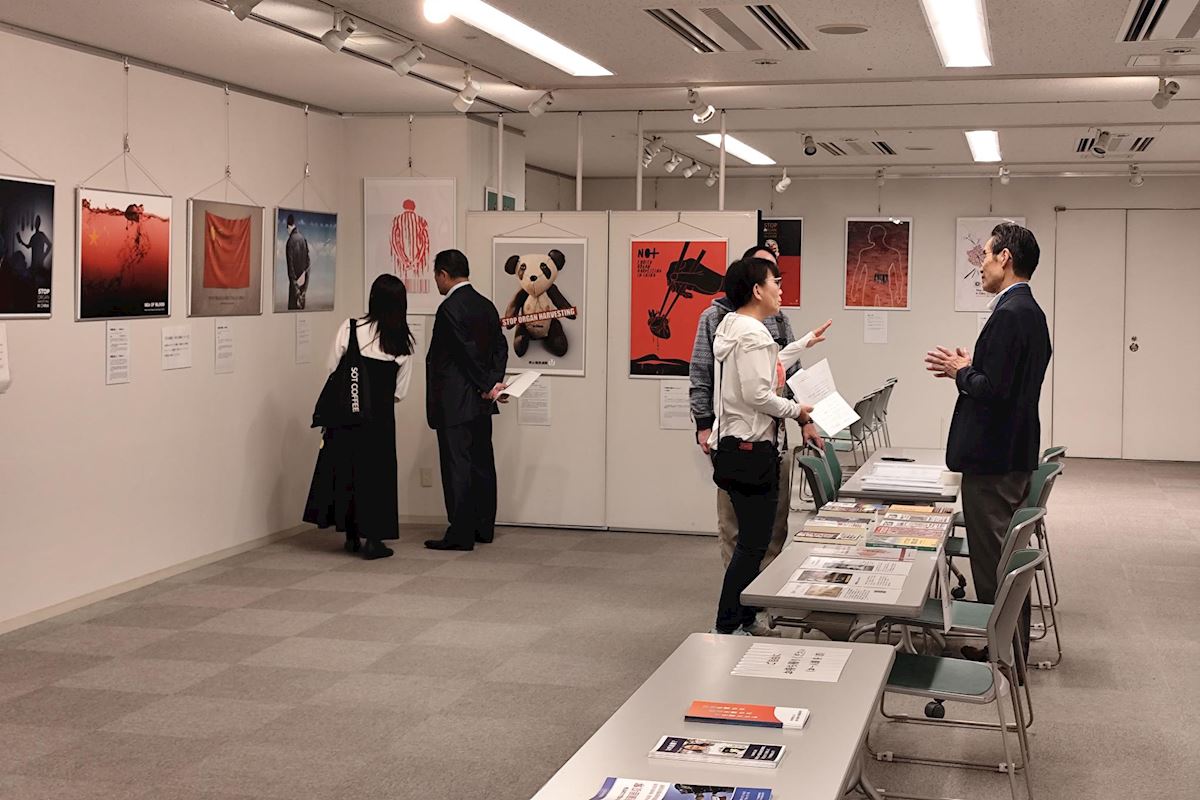
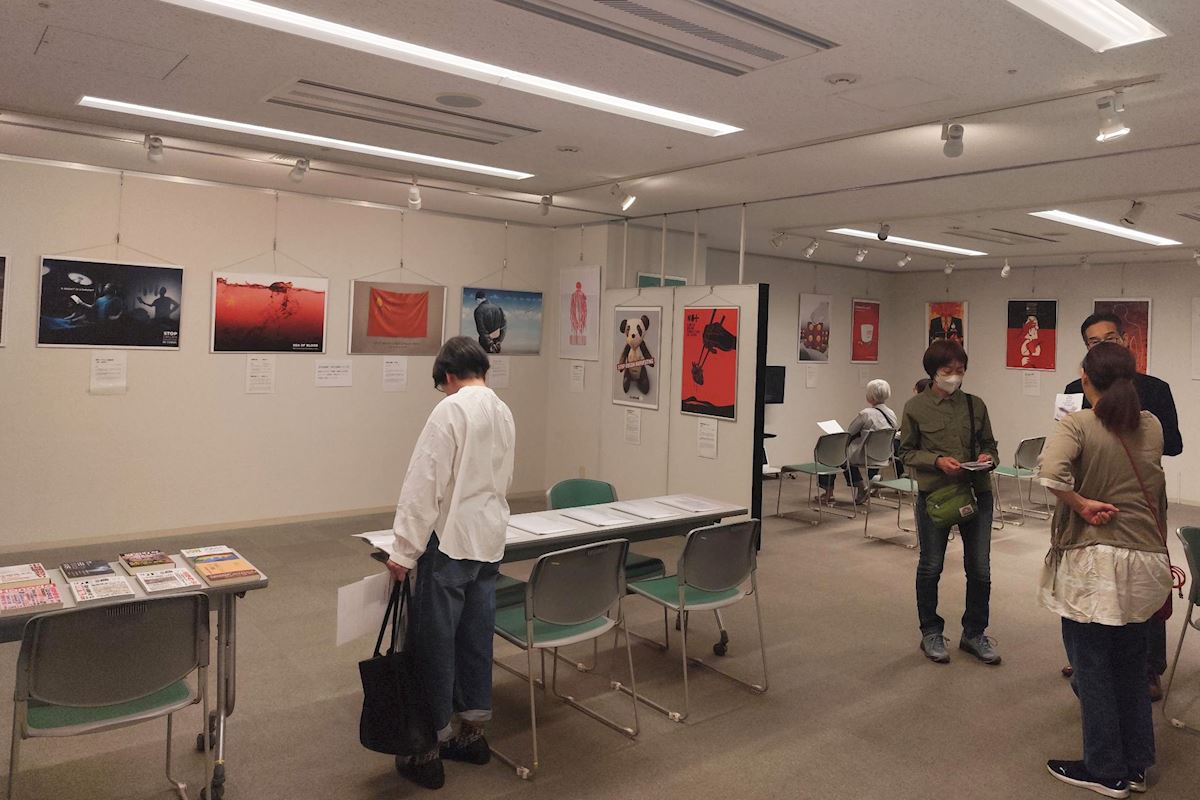 The “Silent Cry” against forced organ harvesting poster exhibition held at the Sakai City Cultural Hall in Osaka, Japan. (Minghui.org)
Sakai City Council Member: Human Rights Violations Must Never Be Tolerated
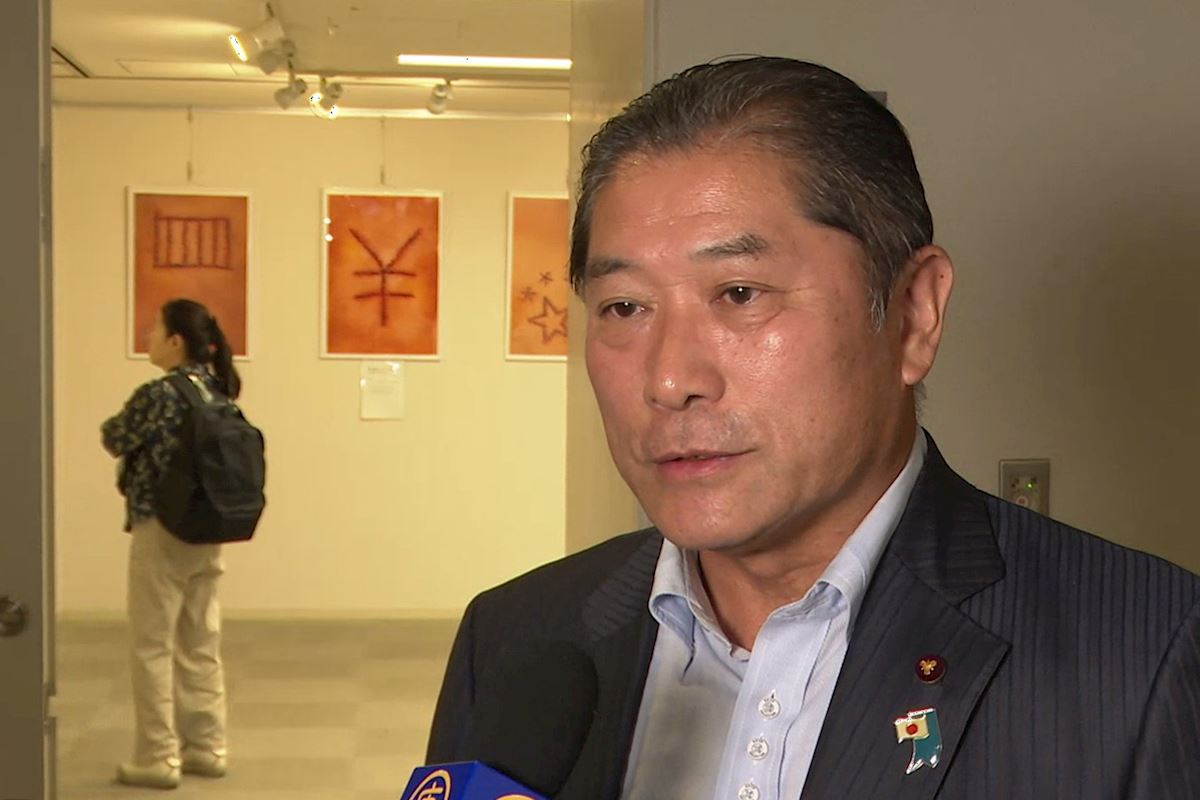 Sakai City Council Member Hideki Ikejiri (Minghui.org)
Hideki Ikejiri, a Sakai City Council member, attended the exhibition on the opening day. “I am very pleased that we are able to hold an event here in Sakai today to oppose the CCP’s practice of forced organ harvesting from living people,” Mr. Ikejiri said. “I personally worked to secure the support of the City Board of Education for this exhibition.
“Such human rights violations are absolutely intolerable. Moving forward, I intend to continue raising a clear voice from Japan and presenting my appeals to society,” Mr. Ikejiri said.
Former Osaka Prefectural Assembly Member: Poster Exhibition Conveys Authentic Voices Unseen in Mass Media
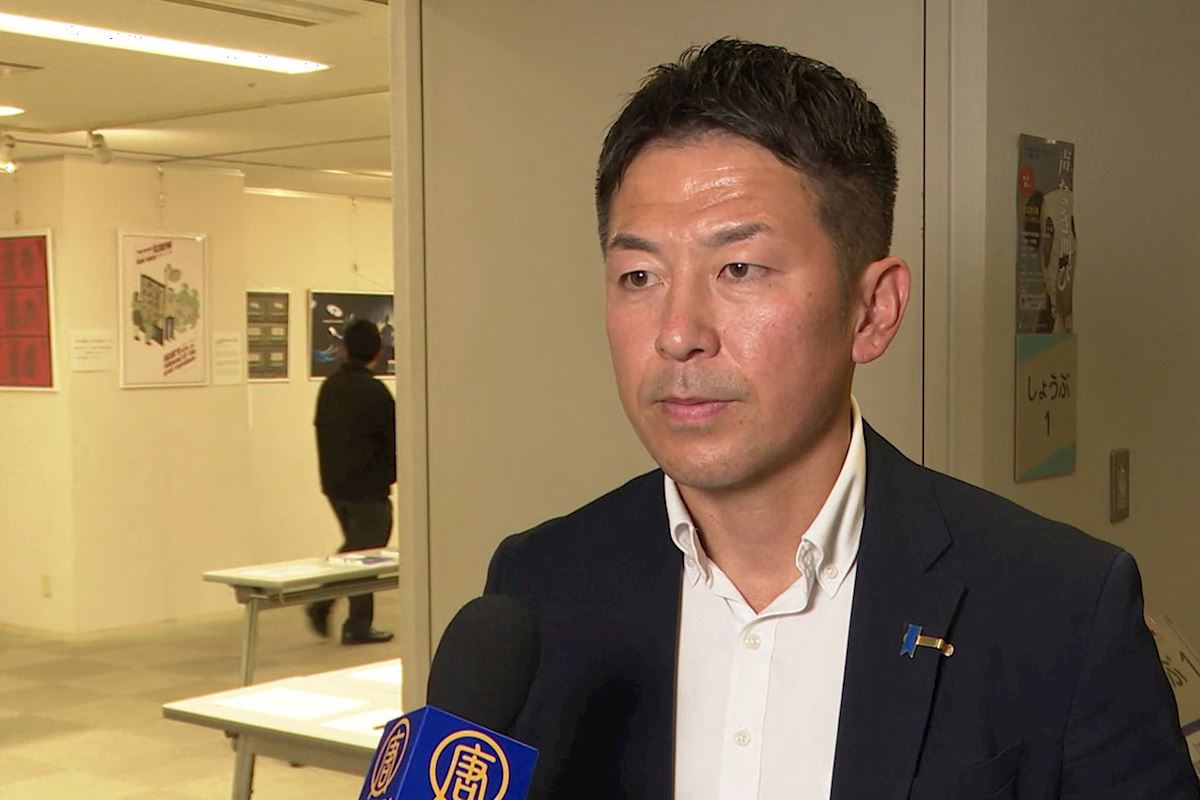 Former Osaka Prefectural Assembly Member Hikaru Nishimura (Minghui.org)
Former Osaka Prefectural Assembly Member Hikaru Nishimura also attended the opening day. He recalled visiting the same exhibition three years ago in Osaka’s Abeno Ward, at which time he had strongly hoped that residents of his hometown, Sakai City, would also have the chance to see it. He expressed his satisfaction that the exhibition had finally been brought to Sakai.
After viewing the works on display once again, Mr. Nishimura remarked, “Each piece conveys a powerful message. They are deeply moving.”
In light of the effort in the United States to pass the “Falun Gong Protection Act” and the concrete actions being taken by the international community, Mr. Nishimura offered a candid assessment of the Japanese government’s current stance: “Japan remains at the stage of ‘continuing to monitor the situation.’ Compared to other nations, its position lacks sufficient clarity.”
He expressed hope that the poster exhibition would continue to be held across Japan, describing it as “a ‘silent cry’ that cannot be grasped through mainstream media reports alone.” He also urged the public to come and see the artworks. “I hope that people will take this opportunity to visit the exhibition and learn the truth about this matter for themselves,” he said.
Member of the House of Representatives: A Two-Pronged Approach of Advancing Legislation and Engaging the Public
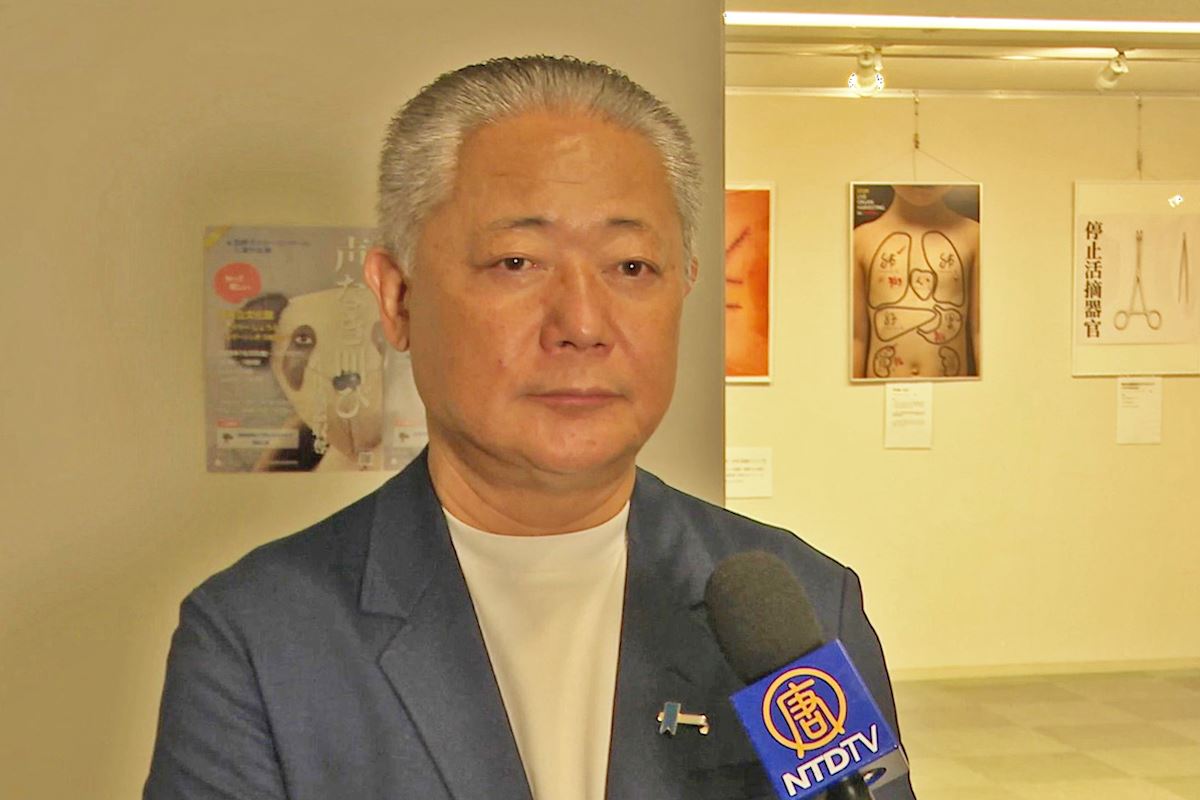 Nobuyuki Baba, Member of the House of Representatives (Minghui.org)
Member of the House of Representatives Nobuyuki Baba also came to view the poster exhibition. He said the Japanese Parliament has been maintaining a focus on the issue of the CCP’s forced organ harvesting and has held seminars on the subject on multiple occasions. He thinks that a two-pronged approach is necessary to eradicate these atrocities. First, advancing legislation to prohibit Japanese citizens from traveling to China to receive organ transplants of unknown origin, and second, improving the organ donation system within Japan.
Mr. Baba pointed out that many Japanese citizens remain unaware of the grave reality of forced organ harvesting in China. He said that he would continue to support public awareness initiatives, such as poster exhibitions, moving forward.
Tondabayashi City Council Member: Thinking From Others’ Perspectives to Drive Action at the Local and National Levels
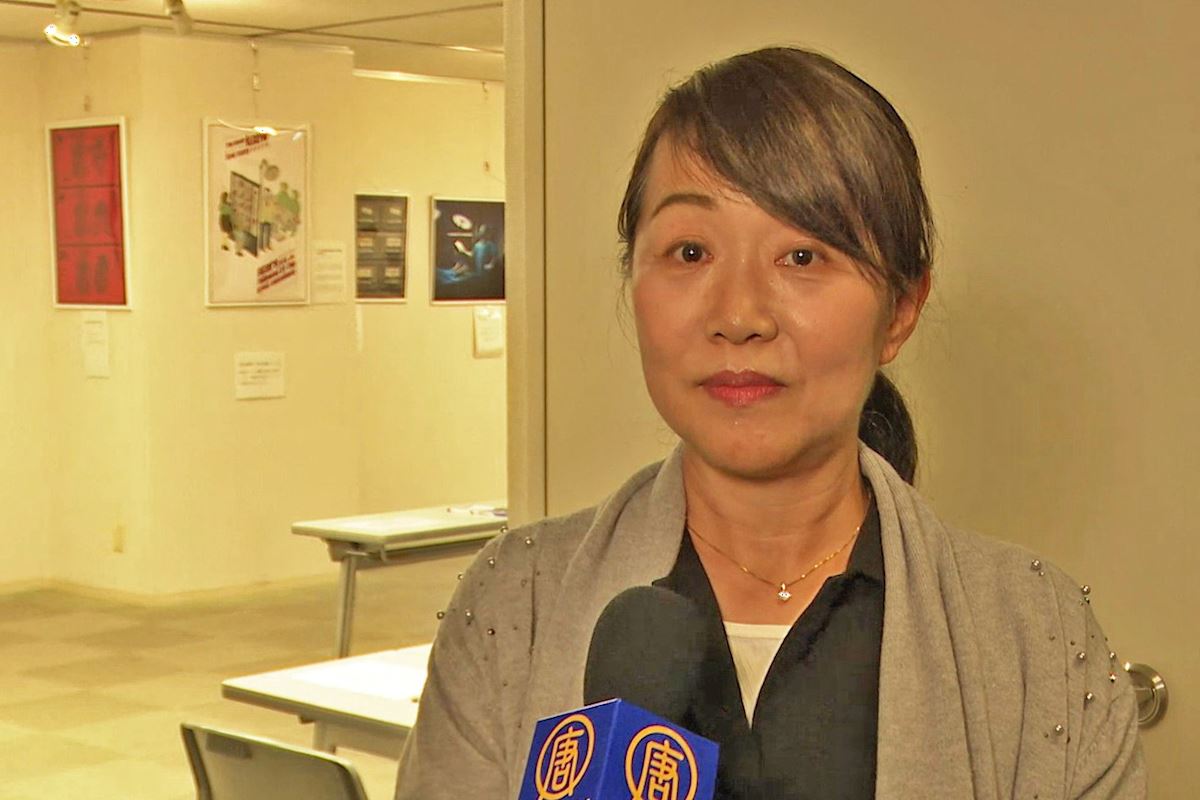 Tondabayashi City Council Member Minakata Izumi (Minghui.org)
Tondabayashi City Council Member Izumi Minakata also visited the exhibition. She said that the atrocities of forced organ harvesting perpetrated by the CCP against groups such as Falun Gong practitioners “go beyond the imagination of an ordinary person” and are profoundly shocking.
Izumi Minakata said that as a mother, the exhibition was thought-provoking. “If you put yourself in their shoes, how would you feel if your own family members or children suffered such harm? It is truly heart-wrenching,” she said. She urged the public to view this human rights crisis from a humanitarian perspective, recognizing it as an issue that affects all of us.
The councilor also addressed the role of local legislators, “As representatives of the citizens, local councilors can submit formal opinions to the national government through their respective councils. This is going to be a significant step toward driving concrete action at the national level. The most urgent priority is to ensure that more people in Japan, as well as the international community, learn the truth about this matter.”
Learning the Truth Is the First Step to Stop the Persecution
It is difficult to grasp that in today’s society, persecution against human life is still happening. The “silent cry” conveys these issues through art, giving more people the opportunity to learn about the CCP’s organ harvesting crimes. Knowing about the issue and not shying away from the facts is the most practical first step for all sectors of society to join hands in brining about an end to the persecution.
All content published on this website is copyrighted by Minghui.org. Minghui will produce compilations of its online content regularly and on special occasions.
Category: Art & Photo Exhibits